As the electric vehicle (EV) market expands, customizing lighting for electric vehicles has become essential. Industry experts predict that global EV sales will exceed 26 million units by 2030. This growth presents unique opportunities and challenges in design, especially around lighting systems. Effective lighting plays a critical role in enhancing safety and aesthetics for EVs.
To understand how to customize lighting for electric vehicles effectively, manufacturers must consider advanced technologies. Intelligent lighting can improve driver visibility and enhance the vehicle's overall look. Innovative features, such as adaptive headlights, are gaining traction. According to a recent study, nearly 70% of consumers believe that unique lighting designs influence their choice of EVs. However, customization can lead to complexities in production and regulatory compliance.
Striking a balance between creativity and functionality in lighting design is crucial. While customization offers exciting possibilities, it can increase costs and production time. Manufacturers should also keep sustainability in mind. Reducing energy consumption in lighting systems aligns with the overall goals of electric vehicles. As the industry evolves, understanding how to customize lighting for electric vehicles will remain a vital aspect of automotive innovation.
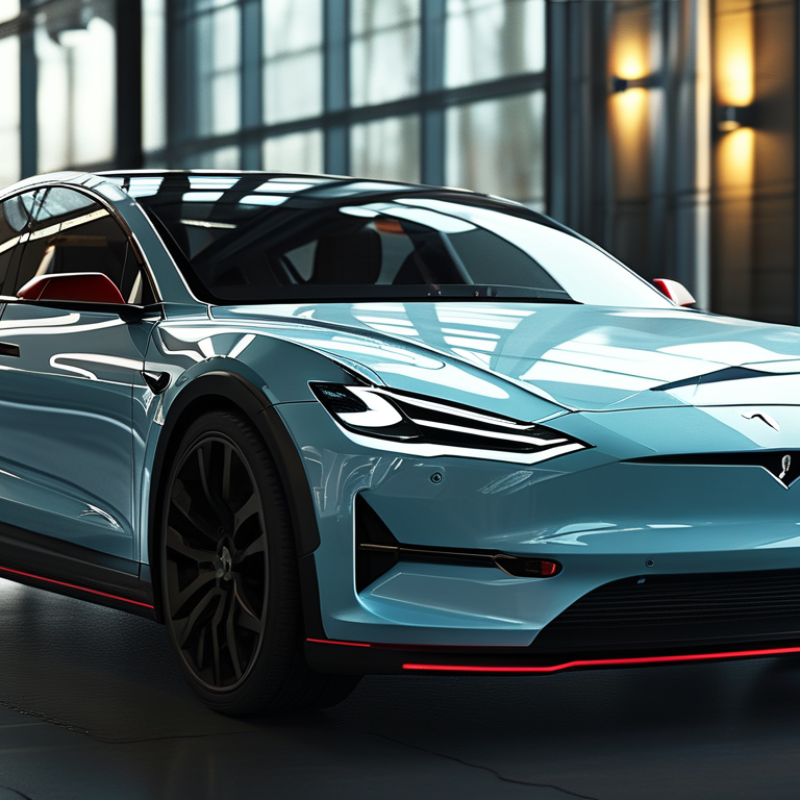
Understanding the Importance of Custom Lighting in Electric Vehicles
Custom lighting in electric vehicles (EVs) plays a critical role, influencing both aesthetics and functionality. Creating a welcoming atmosphere is essential for drivers and passengers. Properly designed lighting enhances visibility and helps mitigate potential risks on the road. It also provides a modern appeal that can enhance the overall driving experience.
To customize lighting effectively, consider the balance between minimalist design and practical use. Ambient lighting can set the mood while functional lights ensure safety. Choose LEDs for their energy efficiency and versatility. They allow for creative designs that align with the futuristic feel of electric vehicles.
Pay attention to interior spaces. Soft, adjustable lighting in areas like the dashboard and footwells creates comfort. Drivers should feel at ease during nighttime drives. Reflecting Core themes is essential; thus, lighting should not distract but rather complement the driving experience.
Another aspect to contemplate is the exterior. Headlight designs can enhance vehicle identity without sacrificing functionality. Experiment with colors and patterns. However, ensure the lights meet safety standards. Incorporating unique light signatures can make EVs stand out.
Customization offers opportunities for innovation. Each decision impacts not only aesthetics but also user safety and experience. Balance creativity with practicality for the best outcome.
Key Factors Influencing EV Lighting Design and Customization
When it comes to electric vehicle (EV) lighting design, several key factors play a crucial role. First, efficiency is paramount. According to the International Energy Agency, lighting can account for up to 10% of an EV's energy consumption. This makes it essential for designers to create lighting systems that minimize power use without sacrificing visibility. LEDs have become the standard due to their lower energy requirements and longer lifespans compared to traditional bulbs. However, the challenge lies in developing lighting solutions that can adapt to various driving conditions.
Another important aspect is the integration of smart technology. As EVs become increasingly autonomous, adaptive lighting systems are gaining traction. These systems can adjust brightness and direction based on real-time data about traffic and weather conditions. A study by McKinsey suggests that over 40% of consumers would consider smart lighting features when selecting an EV. Yet, such systems require extensive testing and calibration to ensure optimal performance. This dual need for innovation and reliability raises questions about how quickly manufacturers can adapt to consumer expectations.
Lastly, aesthetics cannot be overlooked. Designers are increasingly focusing on how lighting contributes to a vehicle's overall look. Unique light signatures can enhance brand identity and appeal to customers. However, balancing form and function presents challenges. Overly intricate designs may complicate the manufacturing process or increase costs. Designers must constantly reflect on how these choices affect both performance and consumer appeal.
Customization of Lighting for Electric Vehicles
This chart illustrates the key factors influencing the customization of lighting for electric vehicles based on their importance level. The factors include color temperature, lumens output, energy efficiency, adaptive lighting, and daytime running lights.
Technologies Used in Tailoring EV Lighting Solutions
Electric vehicles (EVs) require lighting solutions that enhance both functionality and aesthetics. Designing these lighting systems involves various technologies to meet the unique demands of modern vehicles. Advanced LED technology plays a crucial role in achieving effective lighting. LEDs provide energy efficiency, long-lasting performance, and a range of color options. Their versatility allows for creative designs that can improve both safe driving and visual appeal.
Adaptive lighting systems are another significant development. These systems adjust beam patterns based on driving conditions and driver preferences. They increase visibility in specific scenarios, such as sharp turns or adverse weather. However, the complexity of these systems presents challenges in integration and reliability. Ensuring consistent performance across different environments remains an area for future improvement.
Furthermore, smart lighting features are gaining traction. These include connectivity with the vehicle's onboard systems and integration with navigation technologies. Such features can enhance the user experience, but they also raise questions about data privacy and system security. As the industry evolves, balancing innovation with the need for reliability and safety in EV lighting will be essential.
How to Customize Lighting for Electric Vehicles Effectively? - Technologies Used in Tailoring EV Lighting Solutions
| Lighting Technology |
Description |
Benefits |
Challenges |
| LED Lighting |
Light Emitting Diodes offer energy-efficient lighting solutions. |
Long lifespan, low energy consumption, customizable colors. |
Initial cost is higher compared to traditional lighting. |
| Adaptive Lighting |
Lights that adjust automatically based on environmental conditions. |
Improves visibility during different driving conditions. |
Requires sophisticated sensors and software integration. |
| Matrix LED |
LED systems that utilize multiple small lights for precise control. |
Enhanced safety with better beam shaping. |
Complex design and higher manufacturing costs. |
| OLED Lighting |
Organic LEDs provide uniformly diffused light. |
Flexible designs and low-profile shape possibilities. |
Still in development for cost-effectiveness in automotive applications. |
| Smart Lighting Systems |
Integrated systems for controlling lighting via mobile apps. |
User customization and improved user experience. |
Reliant on connectivity; potential security issues. |
Industry Standards and Regulations Impacting EV Lighting Customization
Electric vehicles (EVs) face stringent industry standards and regulations related to lighting customization. Organizations like SAE International and the National Highway Traffic Safety Administration (NHTSA) set guidelines to enhance visibility. For example, the SAE’s J594 standard details the performance requirements for lighting systems. Compliance with these standards enhances safety and improves consumer trust in EV technology.
Customization in lighting is impacted by regulatory limits on light intensity and color. Reports indicate that improper lighting can lead to a 40% increase in nighttime accidents. Adhering to regulations can, therefore, not only boost aesthetics but also significantly enhance driving safety. Manufacturers often find themselves balancing design innovation with compliance, which can limit creativity. For instance, some innovative lighting features may require additional regulatory approval, slowing down the development process.
Despite clear guidelines, many companies struggle with maintaining consistency. Variation in interpretation of regulations can lead to different design choices. Continuous updates to regulations can add complexity, making it difficult for manufacturers to keep pace. This reflection on industry dynamics is necessary for navigating the future of EV lighting effectively.
Future Trends in Electric Vehicle Lighting Customization and Innovation
The future of electric vehicle lighting customization is rapidly evolving, driven by advancements in LED technology and consumer demands. Industry reports indicate that the LED automotive lighting market is projected to reach $36 billion by 2026, growing at a CAGR of 12.8%. This growth is fueled by the desire for personalization among EV owners. They expect unique lighting designs that reflect their individual tastes and enhance vehicle aesthetics.
Innovations in adaptive lighting systems are also gaining traction. According to a recent survey, over 65% of consumers find adaptive headlights appealing. These systems adjust based on driving conditions, enhancing safety and functionality. However, challenges still exist in integrating these features without significantly escalating production costs. The balance between innovation and affordability remains delicate.
Moreover, sustainability in lighting customization is becoming pivotal. Many manufacturers are now exploring bio-based materials for fixtures and eco-friendly manufacturing processes. Yet, the industry faces hurdles in sourcing sustainable materials that meet performance standards. As electric vehicle adoption continues, so does the need for practical and environmentally responsible lighting solutions. The evolving landscape reflects a commitment to blending cutting-edge technology with consumer preferences.
Conclusion
In modern electric vehicles (EVs), customizing lighting is essential not only for aesthetic appeal but also for enhancing safety and energy efficiency. Understanding the importance of custom lighting in electric vehicles involves recognizing how it affects driver visibility, vehicle recognition, and energy consumption. Key factors influencing EV lighting design and customization include vehicle type, consumer preferences, and technological advancements.
To effectively learn how to customize lighting for electric vehicles, one must consider the latest technologies and innovations that allow for tailored lighting solutions. Compliance with industry standards and regulations is also crucial, ensuring that custom lighting designs meet safety and environmental guidelines. Looking ahead, the future trends in electric vehicle lighting customization will likely involve greater integration of smart technology, leading to more adaptive and dynamic lighting features that improve user experience and vehicle performance.

 EV Light