High-lumen density, low power draw automotive illumination components built with advanced thermal management and robust EMI shielding.
An authoritative technical analysis on driving energy efficiency, thermal dynamics, and smart lighting protocols in New Energy Vehicle (NEV) architecture.
The global transition to electrification has fundamentally redefined automotive lighting design. Unlike internal combustion engine (ICE) vehicles where alternator power overhead is plentiful, Electric Vehicles (EVs) operate under strict energy-density constraints. Every watt drawn by exterior headlights, high-intensity spot lamps, or signal modules directly impacts driving range per charge cycle. Consequently, modern EV lighting requires optical efficacy exceeding 130–160 lm/W, advanced heat pipe thermal management, and precision pulse-width modulation (PWM) control to minimize electrical parasitic loss while complying with stringent ECE and DOT safety regulations.
Hangzhou EV Light Co., Ltd. is a specialized China electric vehicle lighting manufacturer engineering next-generation EV LED systems and intelligent automotive optics for the global market. Operating within China's premier high-tech industrial hardware ecosystem, we provide end-to-end photometrics engineering—from optical beam pattern simulation (SPEOS/LightTools) and SMT circuit fabrication to IATF 16949 compliant OEM/ODM mass production. Our solutions span high-voltage passenger car lighting, heavy-duty commercial vehicle signal clusters, micromobility auxiliary beams, and smart municipal charging poles.
Comprehensive breakdown of market drivers, voltage standardization, and energy preservation paradigms across worldwide markets.
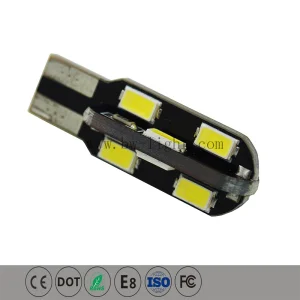
Traditional halogen or early HID systems consume up to 150W of continuous power during night operations. In high-efficiency commercial EVs, this draws up to 1.5 kWh over a 10-hour shift—reducing urban delivery ranges by up to 5%. Hangzhou EV Light’s ultra-efficient CSP and COB LED matrix modules cut total power draw to under 35W per assembly while delivering superior optical lux output, preserving 3-7% total battery range under real-world winter/night conditions.
EV architectures vary radically between 12V low-voltage auxiliary rails, 24V commercial bus setups, 48V micro-hybrids, and direct step-down DC-DC 400V/800V powertrain integration. Our custom switching drivers feature wide-voltage stabilization (9V-36V DC, with surge protection up to 80V transient spikes), preventing flicker and safeguarding LEDs against regenerative braking voltage fluctuations.
Modern EVs are packed with sensitive telematics, millimetric wave radar, and high-frequency traction inverters. Inferior LED drivers emit electromagnetic interference (EMI) that disrupts onboard sensors. All Hangzhou EV Light assemblies are engineered to CISPR 25 Class 5 EMC standards, featuring integrated ferrite filtering and shielded aluminum casings to ensure zero RF noise generation.
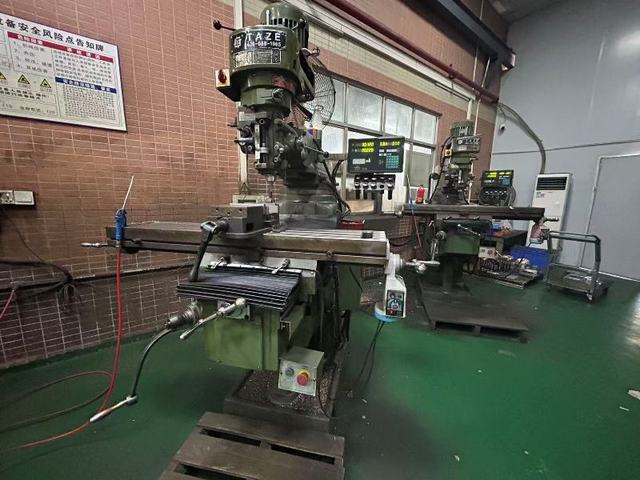
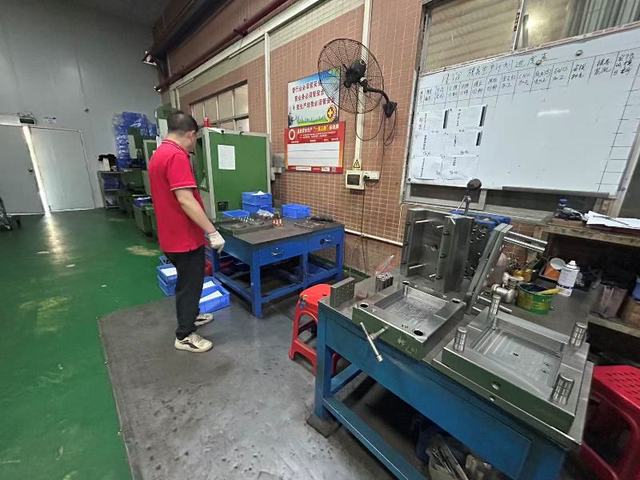
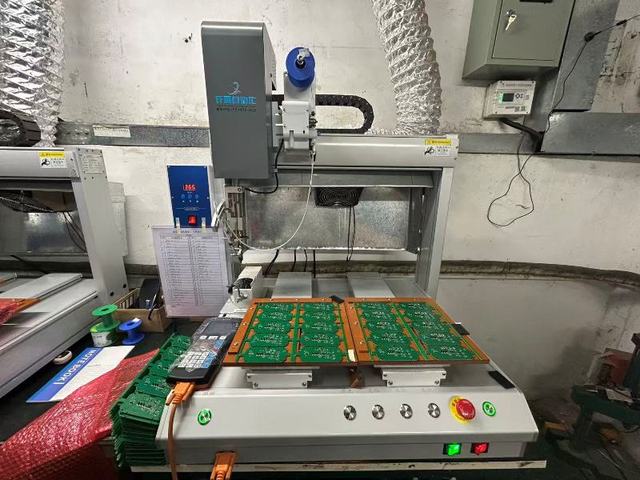
Leveraging vertical supply chain integration, automated precision manufacturing, and rapid prototyping capabilities.
China's Yangtze River Delta ecosystem concentrates raw optical-grade polycarbonate (PC), aluminum alloy extrusion mills, High-Speed SMT chip mounting, and precision injection mold toolmakers within a 50km radius. This localization lowers production lead times by 60% compared to Western manufacturing hubs.
Our facility handles custom optical TIR lens design, CAN-bus protocol integration, and Rapid 3D SLA prototyping within 7 business days. We bridge the gap between boutique custom styling for startup EV brands and high-volume OEM scalability for established vehicle platforms.
Every batch undergoes strict 100% automated optical inspection (AOI), IP68/IP69K vacuum water immersion testing, thermal shock endurance (-40°C to +105°C), and integrating sphere spectral analysis prior to export release.
From passenger vehicle luxury ambient lighting to heavy industrial e-truck fleets and smart city EV charging infrastructure.
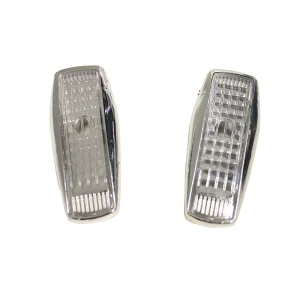
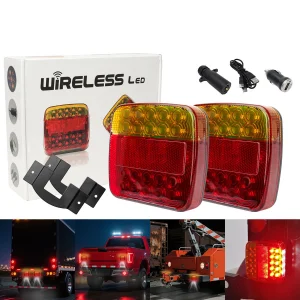
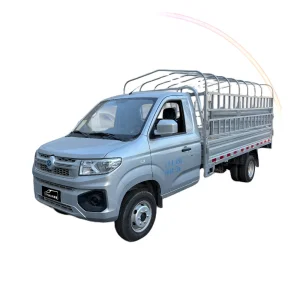
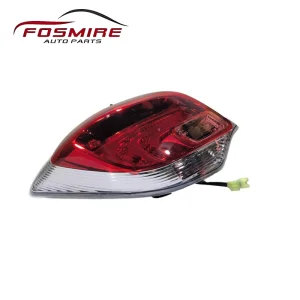
Commercial electric trucks, last-mile delivery vans (such as the Ruichi ED71 platform), and municipal e-buses require heavy-duty clearance, position, and work light illumination. Hangzhou EV Light manufactures high-vibration resistant, low-draw tail lamp clusters, magnetic trailer kits, and ultra-bright auxiliary spot lights designed to withstand 10G mechanical shocks and extreme weather conditions without draining high-voltage traction batteries.
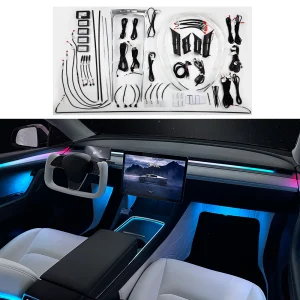
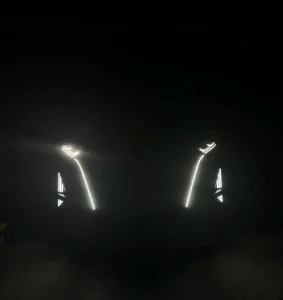
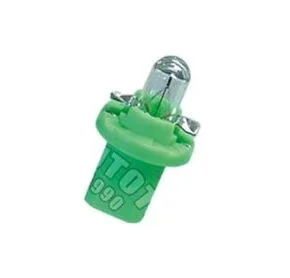
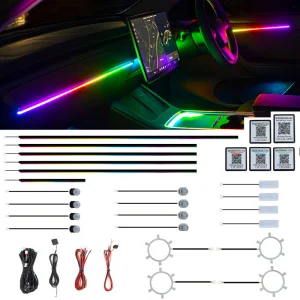
For modern passenger electric vehicles (including custom upgrades for Tesla Model 3/Y and BYD Tang EV platforms), visual identity and dynamic ambient feedback are key differentiators. We supply specialized front grille light bars, dynamic sweep signal indicators, and app-controlled RGBIC ambient interior lighting kits engineered to integrate smoothly into OEM interior trim panels and CAN-bus control modules.
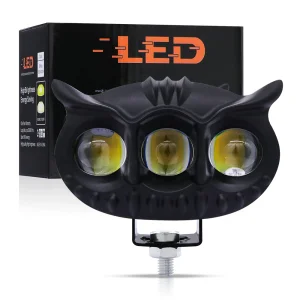
High-speed electric motorcycles, delivery e-scooters, and urban e-bikes demand compact, high-lux projection optics. Our multi-bead LED spot lamps (e.g. Owl 3-Bead series) combine sharp cut-off high/low beam lenses to prevent oncoming driver glare while providing up to 300 meters of clear night distance projection within an IP67 waterproof aluminum housing.
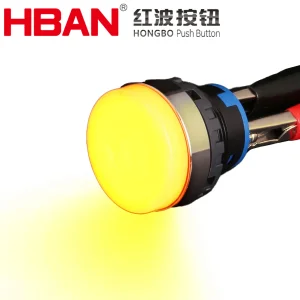
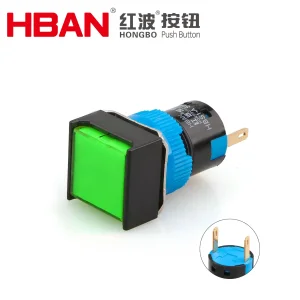
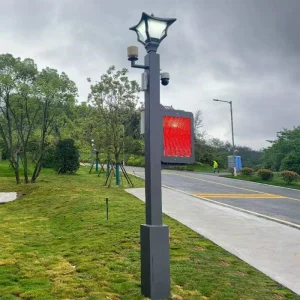
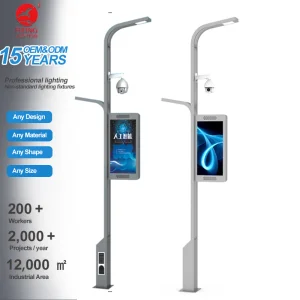
Electrification extends to municipal infrastructure. Hangzhou EV Light manufactures IP65 status signal indicators (HBAN 16mm series) for EVSE charging stations, as well as multi-function IoT Smart Street Light Poles integrated with Type 2 / CCS EV charging points, CCTV surveillance, Wi-Fi micro-cells, and energy-saving LED road luminaires.
Strategic roadmap: Where automotive photometric engineering is heading over the next decade.
The industry is migrating from static LED clusters to high-resolution Micro-LED ADB matrices containing thousands of individually controllable pixels. Interfaced with vehicle ADAS camera feeds, these systems dynamically shadow out oncoming vehicles while keeping high beams illuminated across adjacent lanes, elevating road safety without manual switching.
As autonomous level 3+ driving matures, exterior lighting transforms into a communication tool. Front grille light bars and tail units will project animated symbols onto the road surface—signaling pedestrian crossings, battery State-of-Charge (SoC) during fast-charging, or automated driver mode engagement to surrounding traffic.
In line with global scope-3 automotive carbon footprint reduction mandates, light housing components are shifting toward recycled aluminum heat sinks and bio-based optical polycarbonate lenses. Our R&D team is pioneering lightweight composite housings that shave 25% structural weight while maintaining high thermal conductivity.
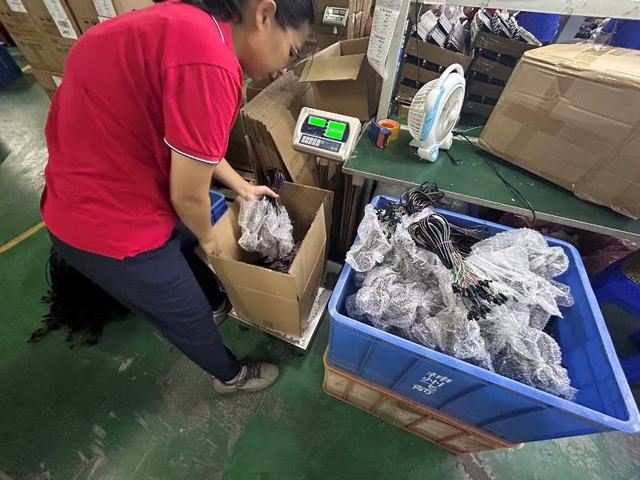
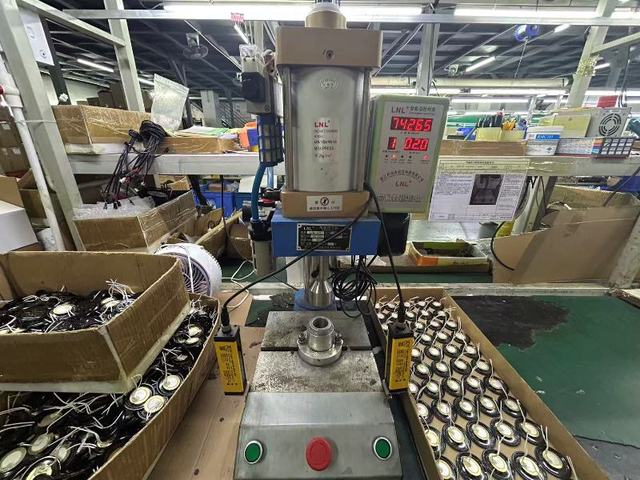
Take a look inside Hangzhou EV Light's state-of-the-art manufacturing plant, automated test labs, and quality inspection lines.
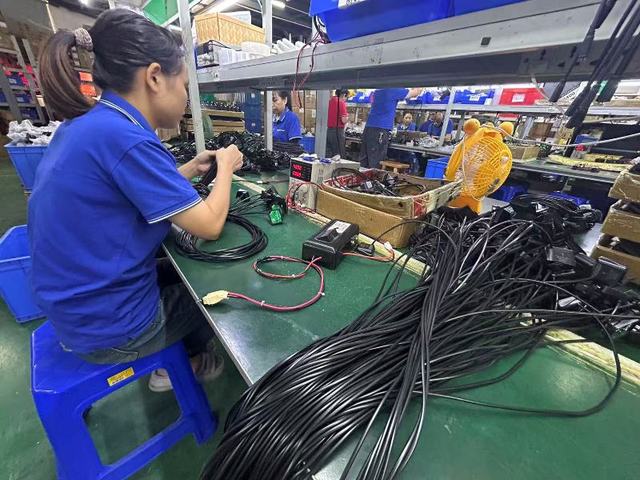
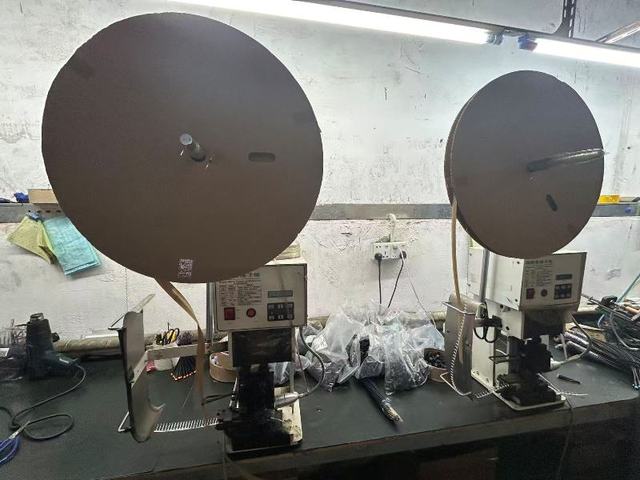
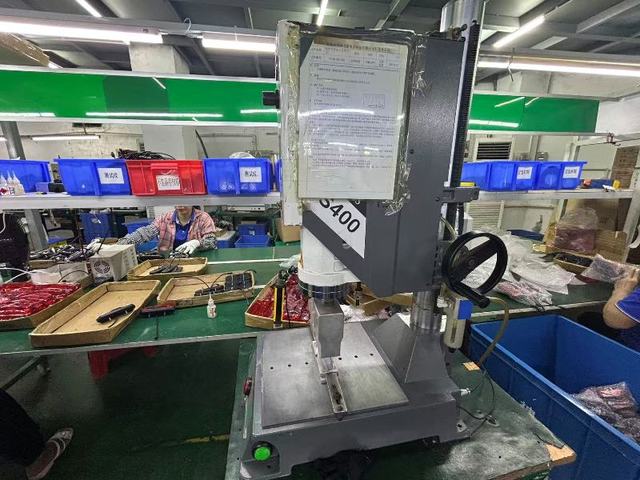
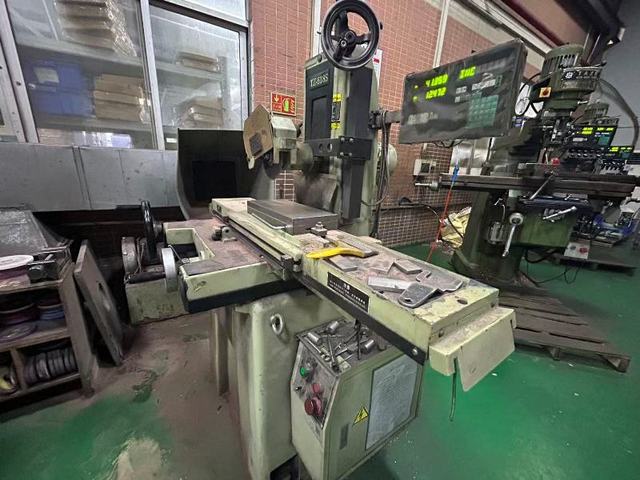
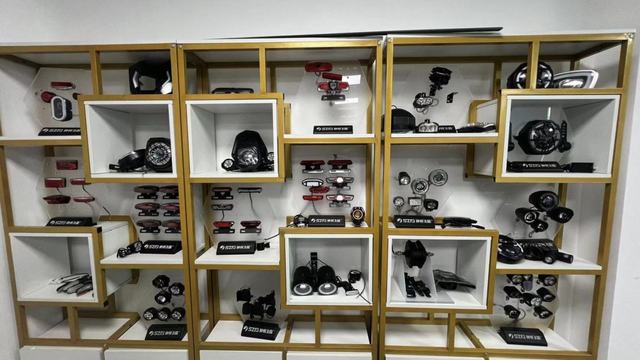
Intelligent street lighting poles with integrated EV charging stations, automotive retrofits, and signaling components.
Technical insights for global procurement managers, automotive engineers, and fleet distributors.
Auxiliary electrical systems (including lighting, HVAC, and infotainment) draw power directly from the EV's low-voltage DC-DC step-down converter, which extracts energy from the main traction battery pack. While legacy halogen setups can consume up to 150W-200W continuously during night operation, our ultra-efficient LED systems consume as little as 25W-40W while producing identical or superior lux output. Over a standard 10-hour shift for commercial delivery fleets, this power reduction saves approximately 1.2 to 1.5 kWh of energy, effectively recovering up to 5 miles (8 km) of range per shift.
Our EV lighting products comply with major global automotive standards, including ECE (European E-mark certification such as ECE R112, R87, R10), DOT/SAE (FMVSS108 for North America), CE, RoHS, and ISO 9001 / IATF 16949 quality management protocols. Specific ingress protection ratings reach IP67, IP68, and IP69K for maximum water and high-pressure steam resistance.
Yes. Hangzhou EV Light provides custom firmware engineering for LIN-bus and CAN-bus integration. This allows interior RGBIC ambient lights and exterior status lightbars to react dynamically to vehicle state triggers—such as displaying green pulse sequences while connected to a DC fast charger, red flashing under emergency braking, or customized welcome light animations upon keyless entry unlock.
Excess heat is the primary cause of LED lumen depreciation. We utilize high thermal conductivity Metal Core PCBs (MCPCB), direct-copper bonding substrates, aircraft-grade 6063 extruded aluminum heat sinks, and integrated thermistor ICs. These dynamic thermal throttling circuits automatically adjust current in extreme ambient temperatures (+85°C to +105°C) to protect the LED junctions from thermal runaway without sacrificing visible illumination safety.
For existing catalog items, standard delivery lead time is 7 to 15 days. For custom OEM/ODM projects requiring optical mold development, toolmaking takes 20 to 35 days, with prototype samples delivered within 7 days of mold completion. Mass production is executed at high-speed capacity via our automated SMT lines and robotic assembly stations.
Our Smart Street Light Poles combine energy-efficient municipal LED street lighting with integrated Type 2 / CCS AC/DC charging stations, IoT telemetry hubs, security CCTV, and 4G/5G micro-cells. The modular pole allows cities and commercial park operators to deploy charging infrastructure along curb spaces without installing additional bulky street cabinets or disrupting existing underground wiring networks.
 EV Light